Lazio · Verified Guide
Wheelchair Accessible Rome — A Verified 2026 Guide
Rome is older than the idea of accessibility, and it shows: 2,000-year-old basalt stones, surprise steps into bathrooms, taxis that vanish when you mention a wheelchair. But Rome is also more accessible than its reputation suggests — if you know which streets to roll, which museum entrance to use, and which hotel actually delivers what it promises. We've measured the doorways, ridden the lifts, and pushed manual chairs across the cobbles ourselves. This is what we tell our clients before they book.
Quick facts
- Best season
- Late April–early June, mid-September–October
- Airport transfer
- Fiumicino (FCO) with pre-booked WAV taxi — €70-90 fixed
- Accessible public transport
- Metro lines A & B (most stations), bus 64/40 with ramps
- Cobbled districts to avoid
- Trastevere historic core, Monti backstreets after rain
- Smooth-paving zones
- Via del Corso, Via dei Fori Imperiali (Sundays car-free), EUR district
Top accessible sights in Rome
What we've measured, verified or pushed a chair through ourselves.
- 01
Vatican Museums & Sistine Chapel
Free entry for wheelchair users + one companion. Use the dedicated lift entrance on the right of the main door — staff will escort. The Sistine Chapel is step-free. Book the first 8:00 slot to avoid crowds.
- 02
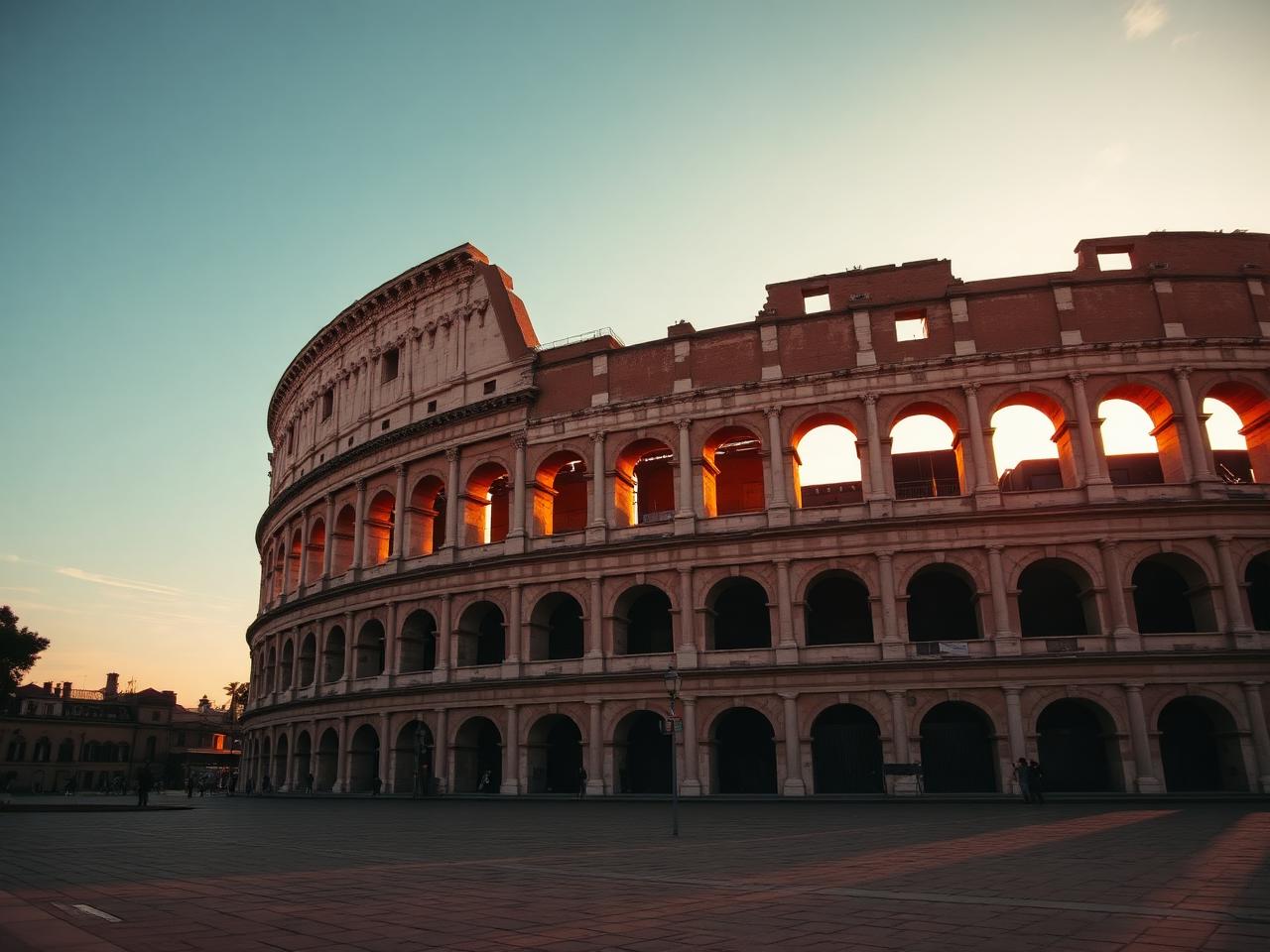
Colosseum
Lift to the upper tier and a flat outer ring on the ground floor. Free for wheelchair users + companion. The arena floor extension is partly step-free; ask staff at the dedicated accessibility desk on arrival.
- 03
Pantheon
One small portable ramp at the main entrance (ask the guard). Interior is completely flat marble. Free admission. Avoid the cobbled approach from Piazza della Rotonda — enter from Via della Minerva for smoother paving.
- 04
St. Peter's Basilica
Step-free entrance to the left of the main façade. The dome climb is not accessible, but the basilica floor, the Pietà and the tombs of the popes are reachable. Security queue priority for wheelchair users.
- 05
Trevi Fountain
The viewing platform has 3 steps down to the water level — but the upper platform offers a clear view. Best visited 7:00–8:30 before crowds. Avoid evenings: standing crowds make wheelchair sightlines impossible.
Where to stay in Rome
Prati (Vatican side)
Wide flat sidewalks, grid streets, walking distance to St. Peter's. Several modern hotels with roll-in showers — we verify bathroom widths before recommending.
Via Veneto & Ludovisi
Smooth paving, level approach to Borghese Gardens, accessible taxis easy to flag. Higher price point but reliable bathroom standards.
Termini Station area (Esquilino)
Best for transit access (Metro A & B + airport train). Look for hotels on Via Cavour side, not the cobbled Esquilino backstreets.
Accessible restaurants & cafés
- ›Ginger Sapori e Salute (Prati) — step-free entrance, 90cm bathroom door
- ›Il Margutta (Via Margutta) — ramp at entrance, accessible bathroom on ground floor
- ›Roscioli (Via dei Giubbonari) — one small step, staff bring portable ramp on request
- ›La Pergola (Cavalieri Hotel) — full step-free fine dining with valet wheelchair handling
Practical tips
- ●Book Roma Cristiana hop-on-hop-off bus — it has a working wheelchair lift and covers the main sights
- ●Use the official 'Cooperativa Samarcanda' taxi line (+39 06 5551) — they have WAV vehicles, not just standard sedans
- ●Sunday mornings: Via dei Fori Imperiali closes to traffic — the smoothest roll between Colosseum and Piazza Venezia all week
- ●Avoid August: 35°C+ heat, many accessible bathrooms in closed restaurants, half the city is on holiday
- ●Italian disability card (CID) is recognized at all state museums — bring your own country's equivalent
Frequently asked questions
Is Rome wheelchair accessible?
Major museums and basilicas in Rome have step-free access and free admission for wheelchair users plus a companion. Outdoor cobblestones in historic districts like Trastevere are challenging — power chair users manage better than manual chair users. Public transport accessibility is improving but inconsistent; pre-booked accessible taxis remain the most reliable option.
Is the Vatican wheelchair accessible?
Yes. The Vatican Museums, Sistine Chapel and St. Peter's Basilica all have step-free routes via dedicated lift entrances. Admission is free for the wheelchair user and one companion. The dome climb at St. Peter's is the only major area without elevator access.
How do I get an accessible taxi in Rome?
Book in advance through Cooperativa Samarcanda (+39 06 5551) or use the FreeNow app and request a 'taxi disabili' vehicle. Standard street taxis are sedans and cannot accommodate larger powered chairs. For airport transfers, pre-book a WAV (wheelchair-accessible vehicle) the day before — expect €70-90 from Fiumicino.
Which is the best accessible area to stay in Rome?
Prati (near the Vatican) has the widest, flattest sidewalks and modern hotels with roll-in showers. Via Veneto offers smooth paving and easy taxi access at a higher price point. Avoid the historic core of Trastevere and Monti backstreets where 18th-century cobbles make wheeling exhausting.
Need this verified for your trip?
We verify accessibility details for the exact hotel, restaurant or experience you want — measurements, photos, video. Before you pay anything.
Start a verification