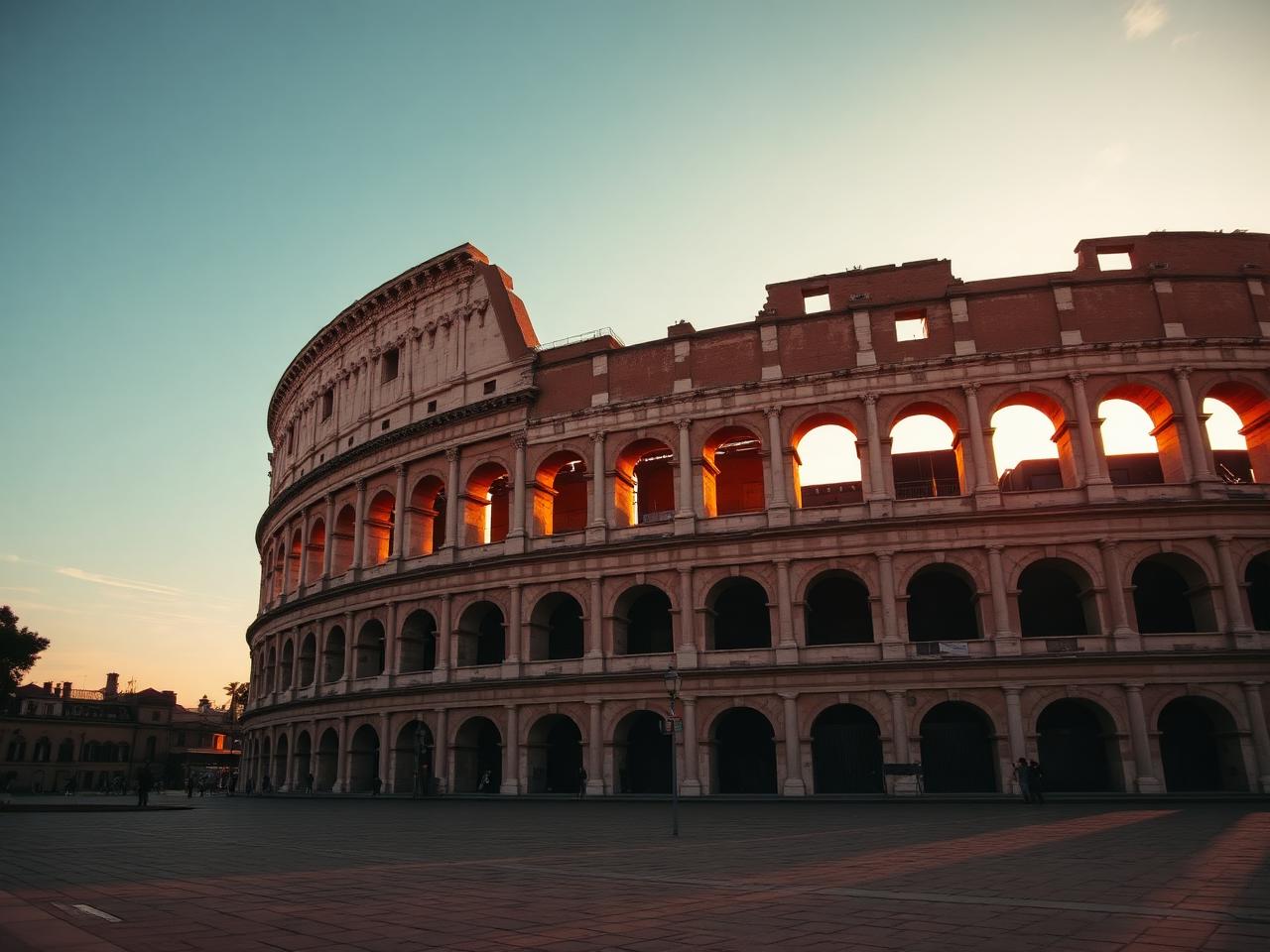
Rome is exhausting after three days. Getting out is often the trip-saver — and several day trips work well for wheelchair users.
Tivoli — Villa d'Este and Hadrian's Villa
Villa d'Este's famous water gardens are partly accessible — the upper terraces and some lower paths are step-free, but the dramatic cascade levels involve stairs. Hadrian's Villa has hard-packed paths and a partially accessible route through the main ruins. Combined as a long day with a private accessible van transfer.
Orvieto
The hilltop town is reached by funicular from the train station — both fully accessible. The Cathedral square and the Cathedral itself are step-free; the Cappella Nuova frescoes are accessible. The underground tour is not.
Ostia Antica
The ancient Roman port has a clearly marked accessible route through the main streets, theatre and forum. Hard-packed paths, occasional grass sections. Easier to navigate than central Rome. Reached by train + accessible station.
Castel Gandolfo and Lake Albano
The papal summer residence's gardens are now open to the public with partial accessibility. The lakeside town has a flat central square and lake views from accessible viewpoints. Easy half-day by accessible van.
Florence as a day trip
1h25 by Frecciarossa with Sala Blu assistance. Doable as a day for Uffizi + Duomo + lunch. Tight but possible — book early train, late return.
Frequently asked questions
What's the easiest accessible day trip from Rome?
Ostia Antica — 40 min by train, dedicated accessible route, less physically taxing than Rome itself.
Can I do Naples and Pompeii as a day trip?
Yes but it's a long day. Frecciarossa Rome-Naples (70 min) + private accessible transfer to Pompeii. Better as overnight.
Is the train to Florence really worth it for one day?
Only if you've already done Rome and want a different city. Otherwise stay one night.
Best Castelli Romani town?
Frascati for accessible wineries and the cathedral; Castel Gandolfo for the lake and papal gardens.